Moving medicine and science forward

Liver transplants offer new hope for late-stage colorectal cancer
We have taken care of cancer patients with a very short life expectancy and seen them return to a full life after liver transplantation. For many stage 4 colorectal cancer patients who meet the criteria for a liver transplant, it can dramatically extend survival and restore quality of life in ways that haven’t been possible until recently.
— William C. Chapman, MD

Gut microbiome features predict devastating disease affecting preemies (Links to an external site)
Findings could help pave way for earlier intervention.

Mental health care before, after surgery improves recovery in older adults (Links to an external site)
Clinical trial supports adding mental health coaching, medication cleanup to routine pre-surgical care.
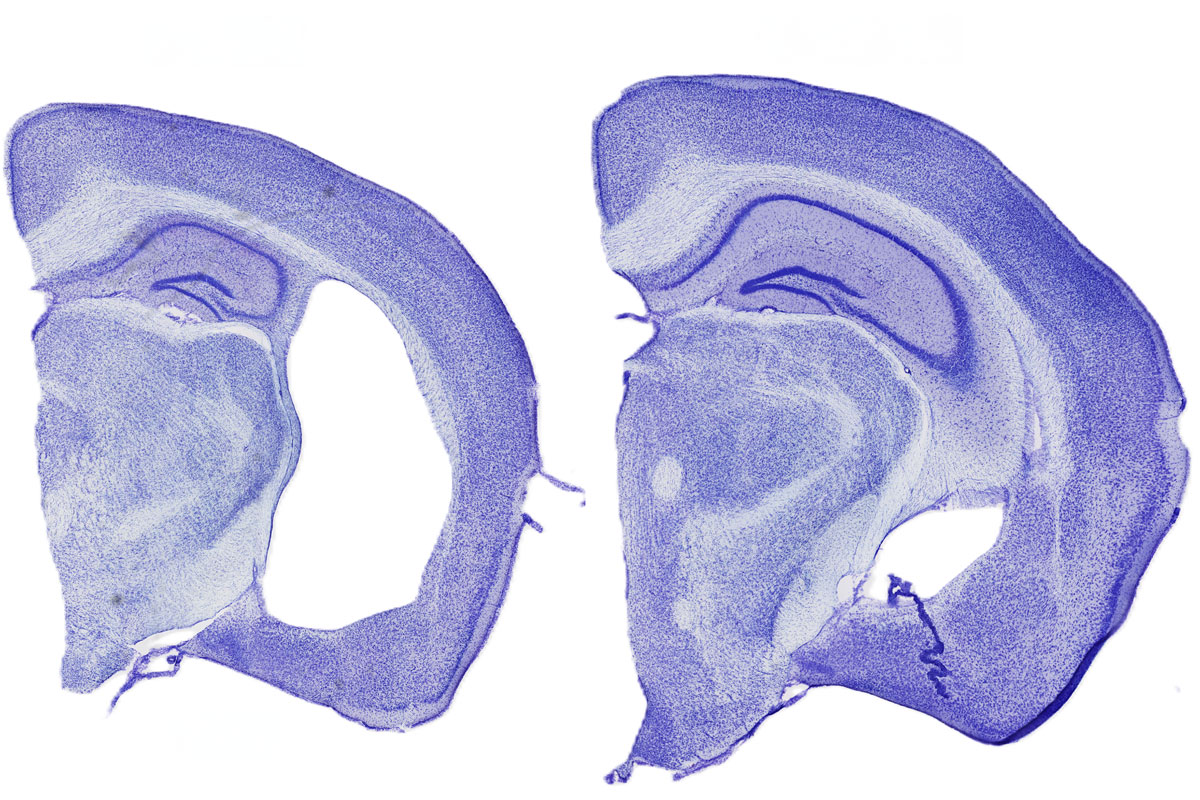
Key path to Alzheimer’s-like brain damage starts outside the brain (Links to an external site)
Study finds in mice that immune cells that drive neurodegeneration originate in body’s lymph nodes.
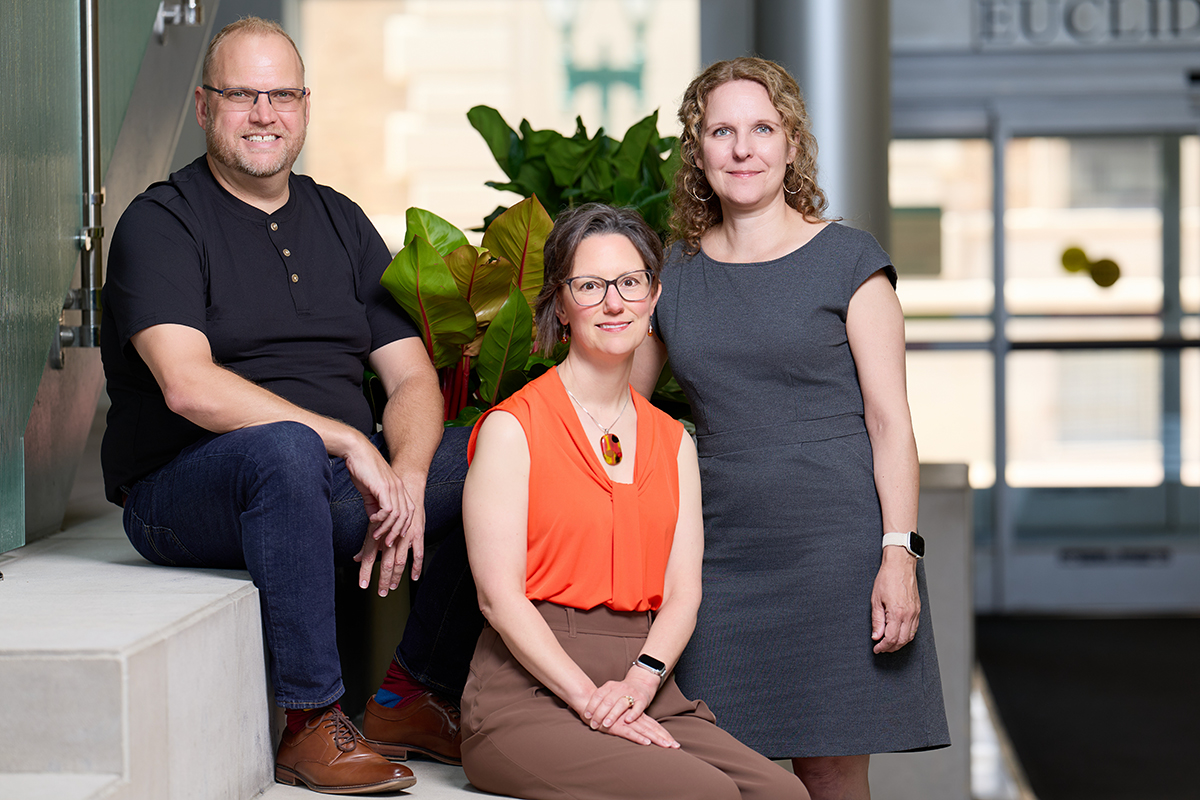
Emke, Dufault, Wyatt to lead new precision education initiative
Project aims to use data analytics to personalize paths from med school to residency.
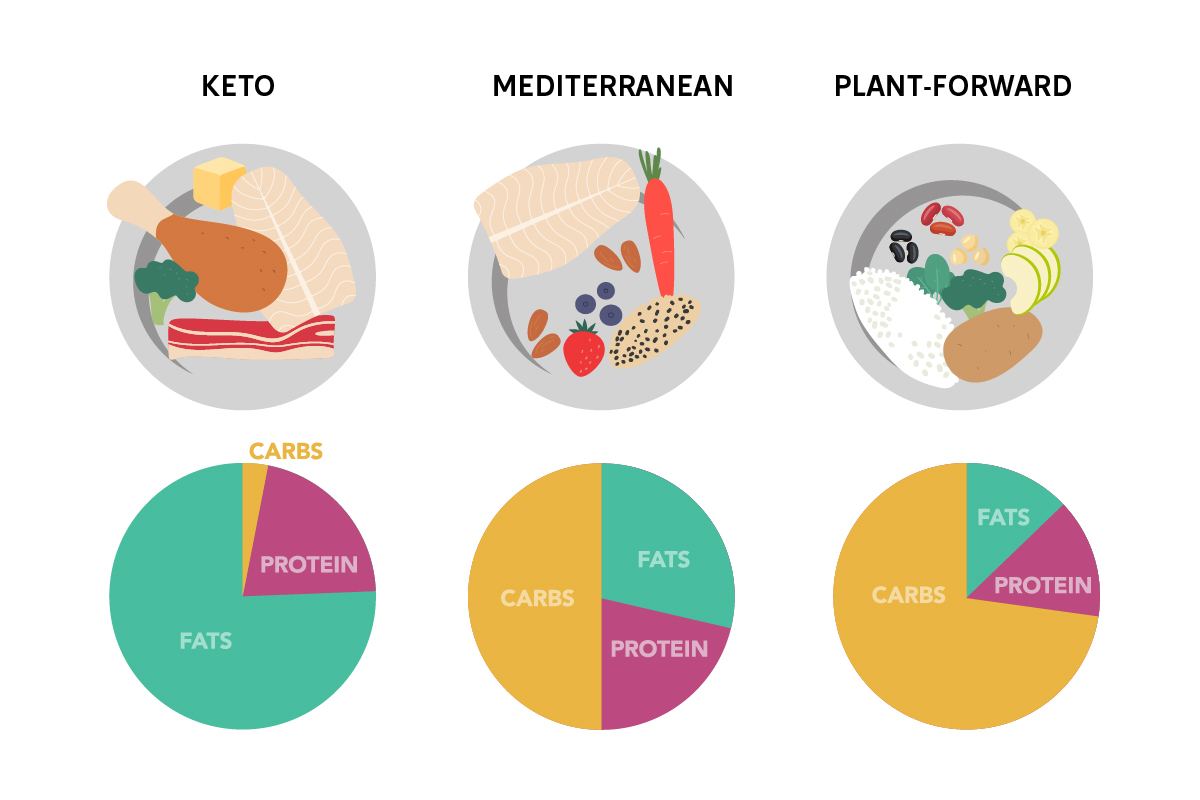
Low-carb diet delivers added liver benefits beyond weight loss (Links to an external site)
Clinical trial finds among several diets, ketogenic plan yields greatest boost to liver, metabolic health.
FDA clears blood test to aid evaluation for Alzheimer’s disease (Links to an external site)
Biomarker test is based on technology developed at WashU Medicine.
Research Wire
New discovery may point to clues about how head and neck cancers spread
A research team led by Sidharth Puram, MD, identified a previously unknown population of aggressive tumor cells in difficult-to-treat head and neck cancers.
Stone awarded $3.7 million to study rare metabolic disorder
Stephen Stone, MD, was awarded a $3.7 million NIH grant to advance research into a rare metabolic disorder.
$3.4 million grant aims to study how fentanyl disrupts the brain’s locus coeruleus system
Jordan McCall, PhD, was awarded $3.4 million by the National Institute on Drug Abuse to examine how fentanyl alters the brain’s main alert and stress center and drives relapse to opioid use.
NIH grant supports study of gut microbes and blood cell production
A collaboration led by infectious diseases researcher Megan Baldridge, MD, PhD, could lead to new options for vulnerable patients to maintain healthy blood counts.
Kubanek receives One Mind Rising Star Award
The prize recognizes psychiatry researcher Jan Kubanek, PhD, for his research on using ultrasound to map and modulate the brain circuits involved in major depressive disorder.