Moving medicine and science forward

Liver transplants offer new hope for late-stage colorectal cancer
We have taken care of cancer patients with a very short life expectancy and seen them return to a full life after liver transplantation. For many stage 4 colorectal cancer patients who meet the criteria for a liver transplant, it can dramatically extend survival and restore quality of life in ways that haven’t been possible until recently.
— William C. Chapman, MD
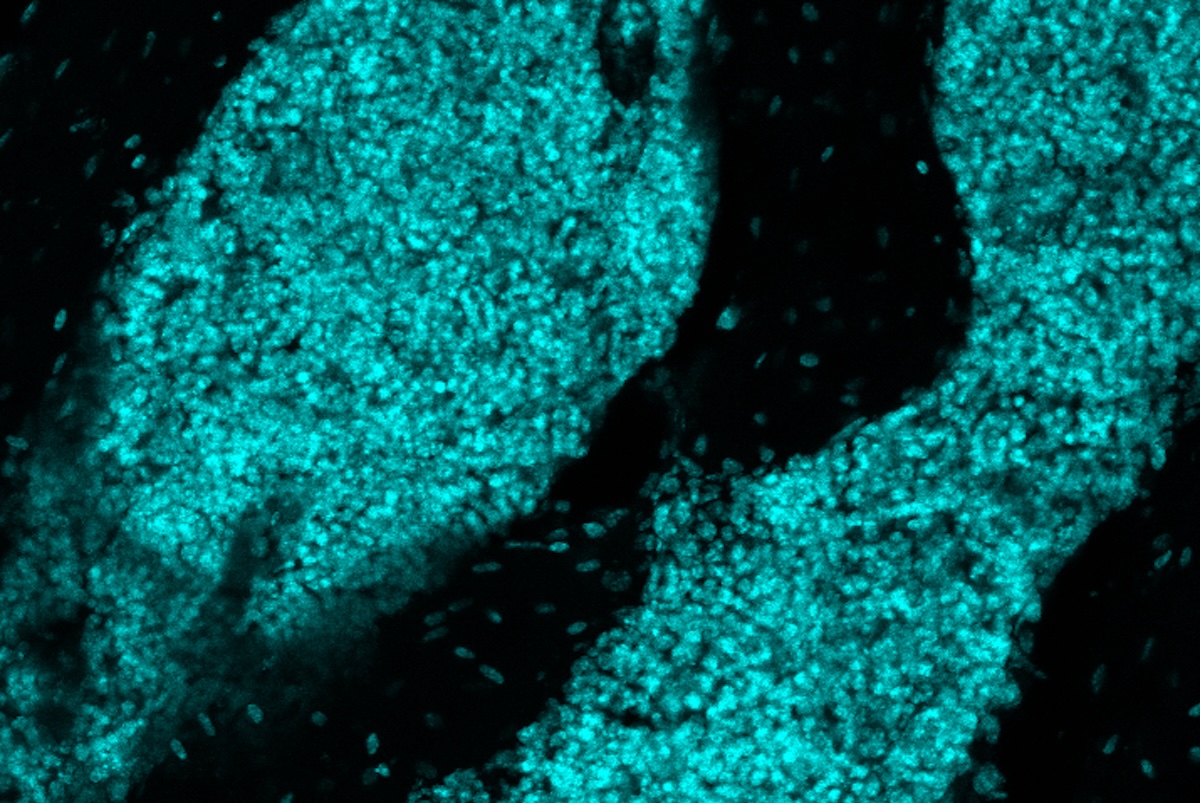
Newly found ‘immune organ’ inside skull directs brain defense
Findings may offer a new way to fight brain cancer, neurodegenerative disease.
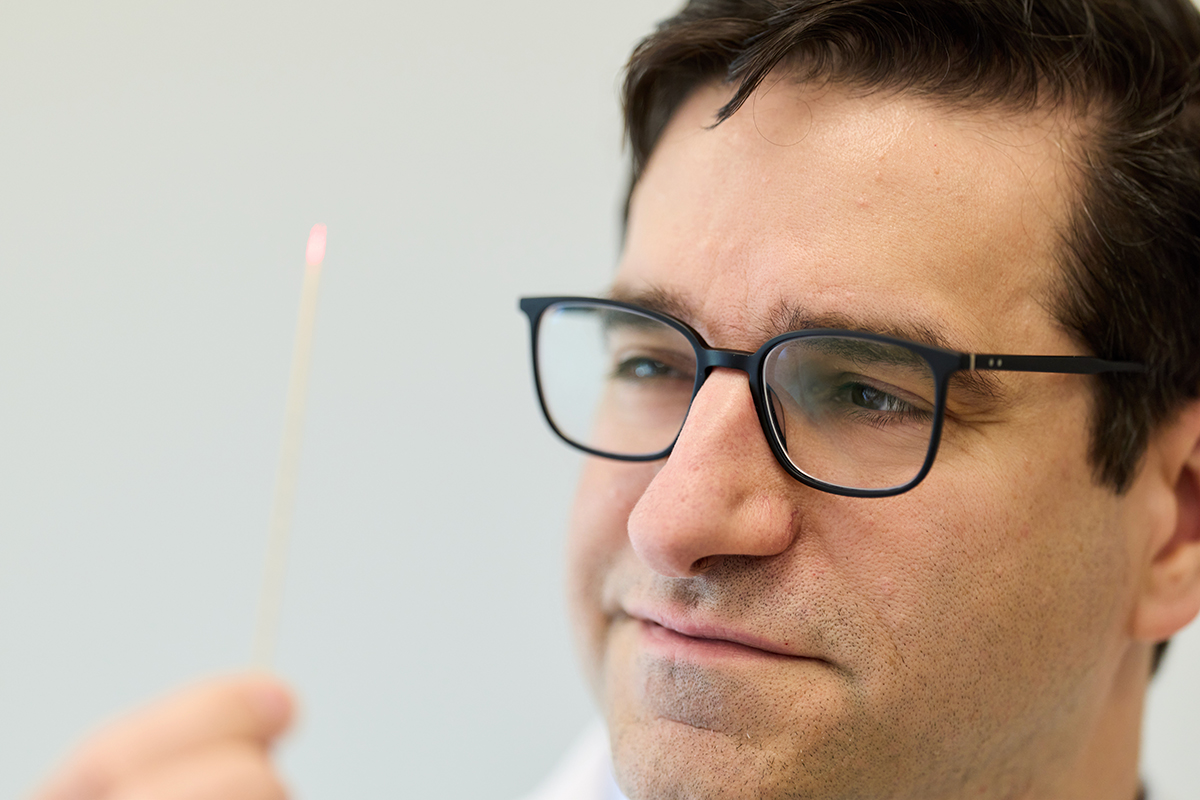
Laser therapy offers weapon against deadly brain tumors (Links to an external site)
Large analysis of patient outcomes shows that extent of tumor ablation, treatment timing extends survival.
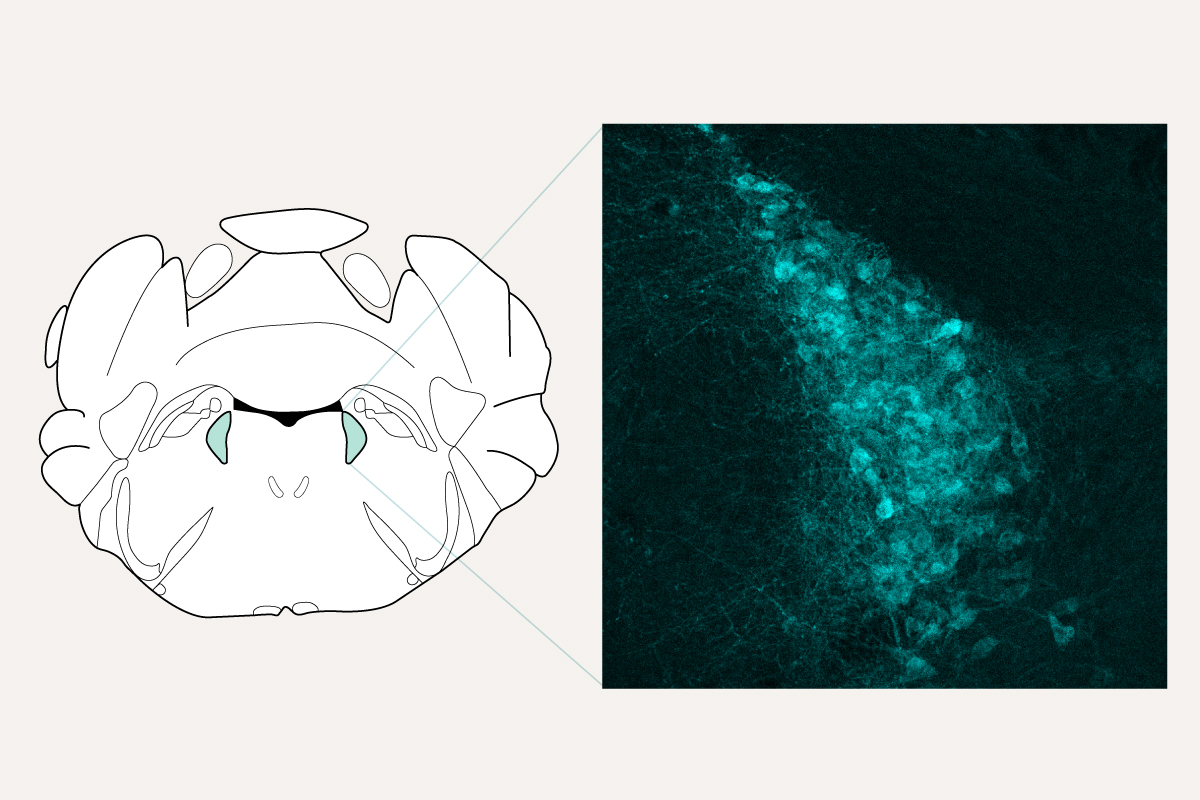
Scientists identify brain’s brake that shuts off chronic pain (Links to an external site)
Finding from mouse study could lead to targeted treatments for chronic nerve pain.

Sensory overload in kids has distinct neurobiological roots (Links to an external site)
Study identifies brain differences tied to sensory distress, often linked to anxiety and autism.

How early-life stress leaves a ‘scar’ inside brain cells (Links to an external site)
Mouse study finds changes to DNA packaging form molecular memory of trauma, make brain vulnerable to future stress.
Finding order in the inner chaos of our cells (Links to an external site)
New technique wrangles evasive proteins to dissect the cause of diseases and design potential new therapeutics.
Research Wire
Prize supports hunt for broad-spectrum antivirals
Infectious diseases expert Michael Diamond, MD, PhD, won a $2.5M prize to advance the development of drugs to treat debilitating chikungunya and related viruses.
New research shows promise for treating hepatitis C in pregnancy
A study led by Laura Marks, MD, and Madeline McCrary, MD, suggests oral hepatitis C treatment may be feasible during pregnancy with careful monitoring and shared decision-making.
Brain cells regulate cholesterol to control neuron signaling
Vitaly Klyachko, PhD, in Cell Biology & Physiology has shown that brain cells called astrocytes modulate cholesterol in the brain to facilitate communication between neurons.
Vision researchers win prize for tool to track public data sharing
Aaron Y. Lee, MD, Cecilia S. Lee, MD, and collaborators earned first place and a $400,000 prize in the Data Sharing Index Challenge sponsored by the NIH.
Promising target identified against chronic blood cancer
Stephen Oh, MD, PhD, and colleagues have identified a potential approach to treat a group of blood cancers known as myeloproliferative neoplasms by taming inflammation.