Moving medicine and science forward

Liver transplants offer new hope for late-stage colorectal cancer
We have taken care of cancer patients with a very short life expectancy and seen them return to a full life after liver transplantation. For many stage 4 colorectal cancer patients who meet the criteria for a liver transplant, it can dramatically extend survival and restore quality of life in ways that haven’t been possible until recently.
— William C. Chapman, MD
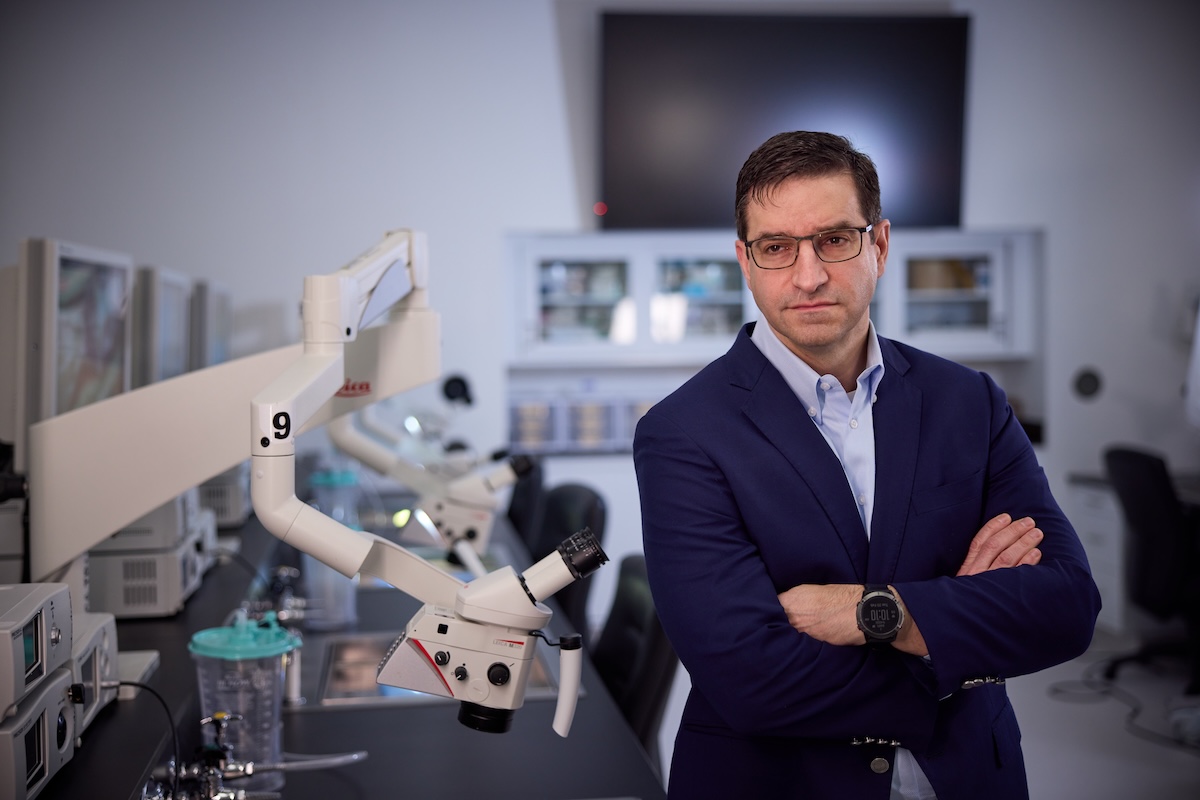
Aid for brain-bleed recovery receives FDA Breakthrough Device Designation (Links to an external site)
Earbud-like device from WashU startup Aurenar is designed to improve stroke outcomes after ruptured brain aneurysm.

Faster aging in younger generations linked to rise in early-onset cancer (Links to an external site)
Immune system aging linked to earlier lung cancer; fat tissue aging linked to earlier colorectal cancer.
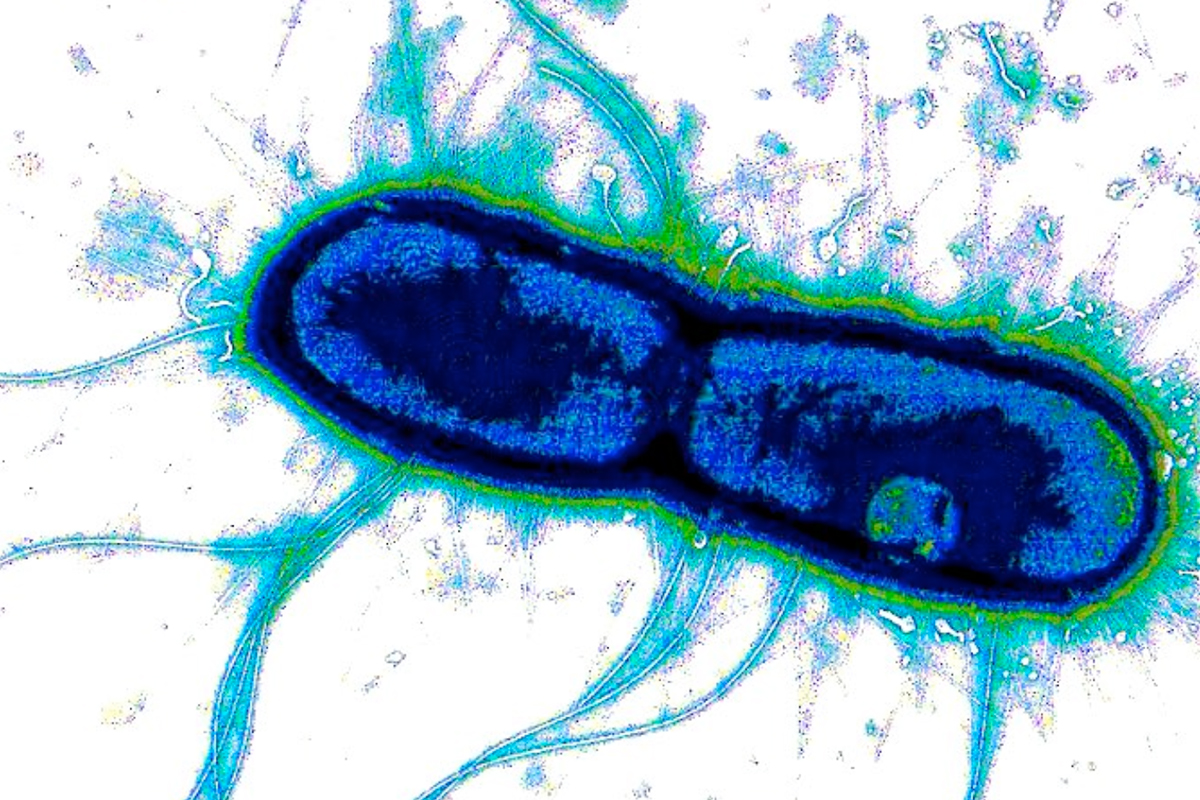
Researchers find a common weakness in major gut pathogens (Links to an external site)
The discovery could lead to a single vaccine against E. coli, Shigella and other causes of severe diarrhea.
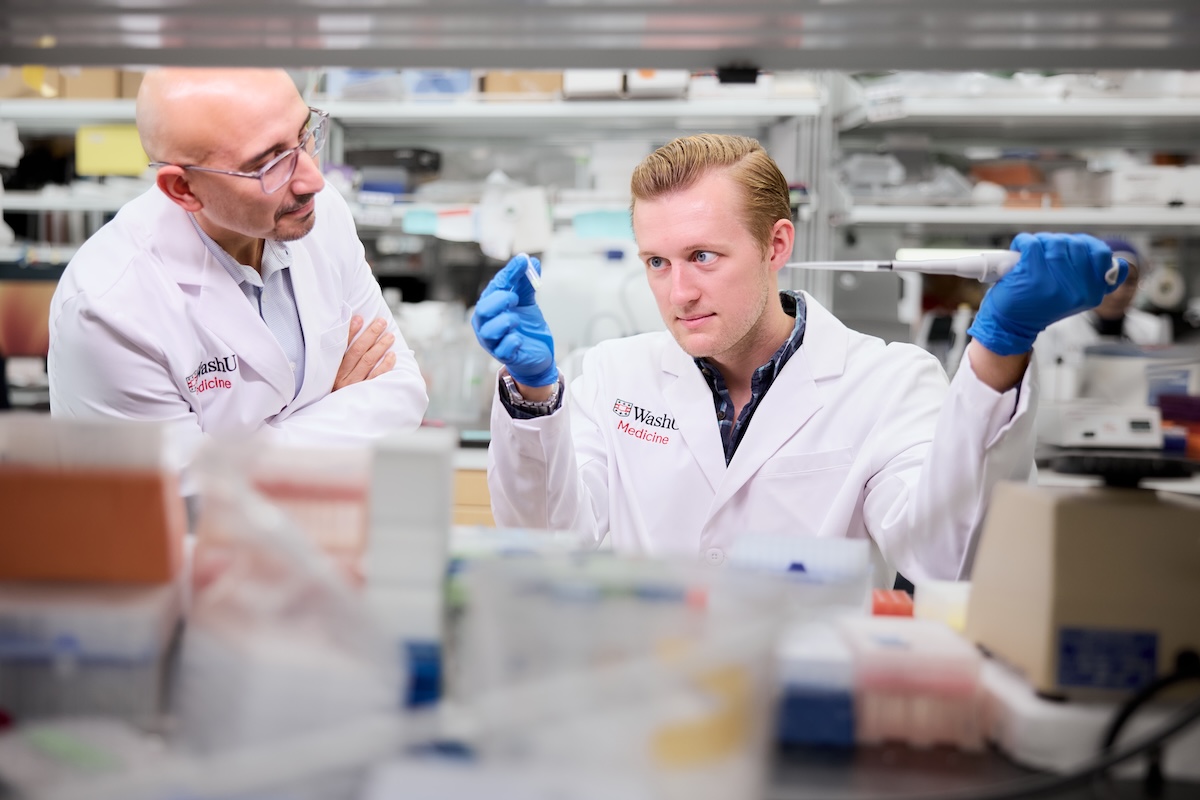
mRNA flu vaccine offers immune protection against wide array of influenza virus strains (Links to an external site)
Study finds the shot, currently in FDA review, could offer broader, longer-lasting protection.
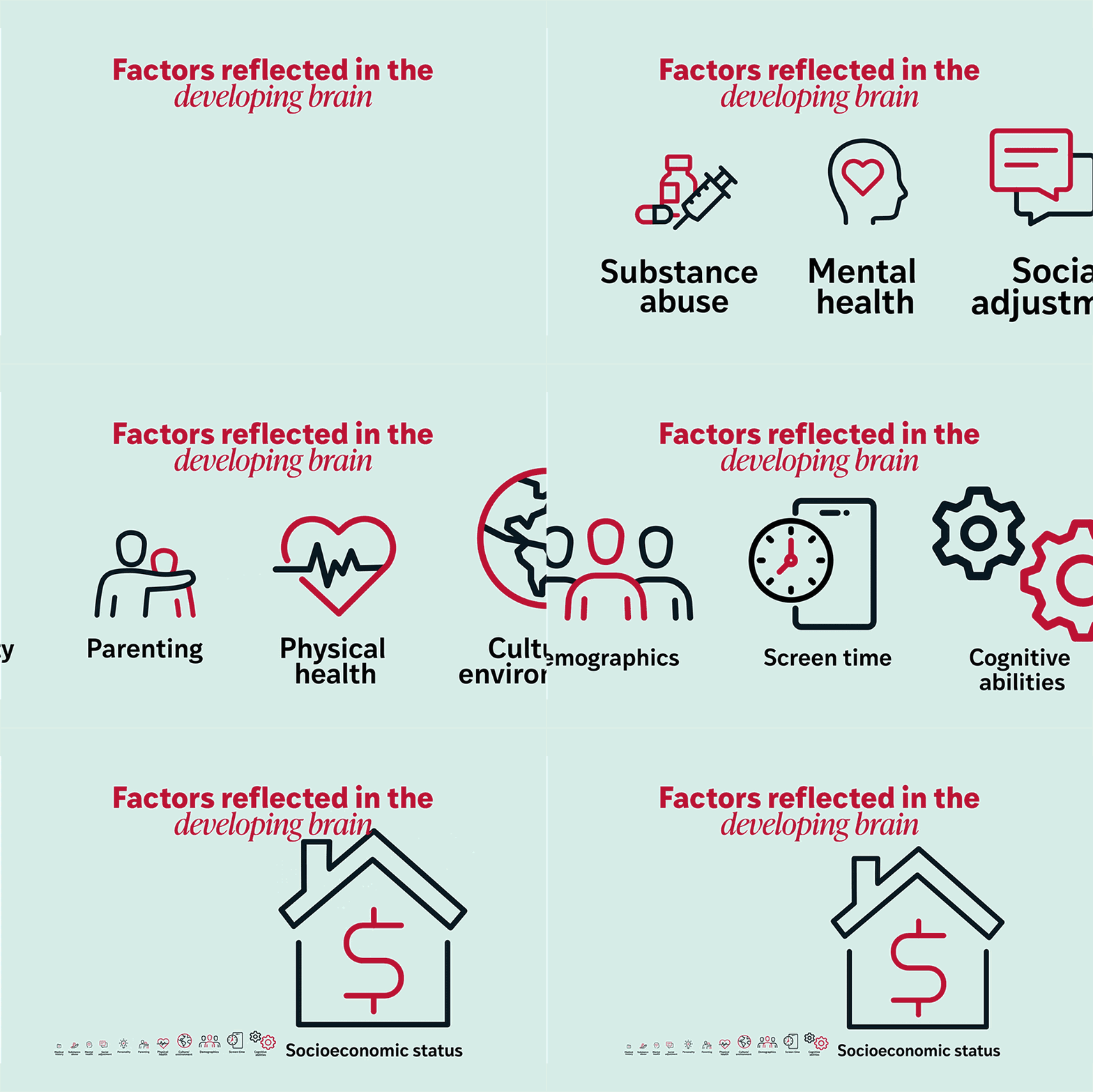
Socioeconomic factors linked to lasting imprint in kids’ brains (Links to an external site)
Sleep, screen time, stress but not IQ also linked to children’s brain features.
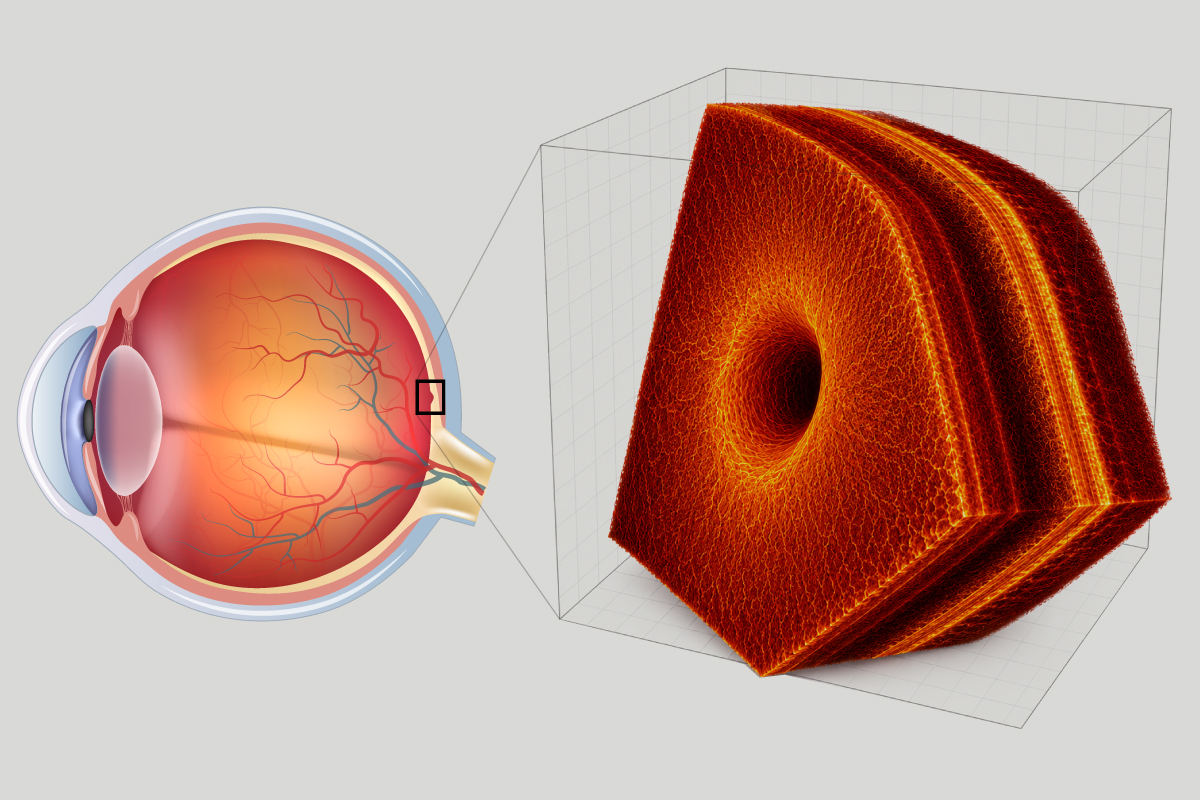
New AI tools could help eye doctors diagnose retinal disease faster (Links to an external site)
Programs that analyze eye images could also speed up drug trials, study finds.
Research Wire
Scientists identify genes that could reduce APOE4 Alzheimer’s disease risk
A research team led by Michael E. Belloy, PhD, identified key genetic targets for potential Alzheimer’s disease therapeutics development.
Stitziel receives grant to study genetic drivers of cardiovascular disease
Nathan Stitziel, MD, PhD, has been awarded $1.9 million from the Leducq Foundation to help identify new therapeutic targets for cardiovascular disease and improving prevention.