Moving medicine and science forward
In our lifetime: the race to outpace Alzheimer’s
The “In Our Lifetime” video series from WashU Medicine explores Alzheimer’s research and the hope it provides to millions around the world through the eyes of four participants.

Sensory overload in kids has distinct neurobiological roots (Links to an external site)
Study identifies brain differences tied to sensory distress, often linked to anxiety and autism.

How early-life stress leaves a ‘scar’ inside brain cells (Links to an external site)
Mouse study finds changes to DNA packaging form molecular memory of trauma, make brain vulnerable to future stress.
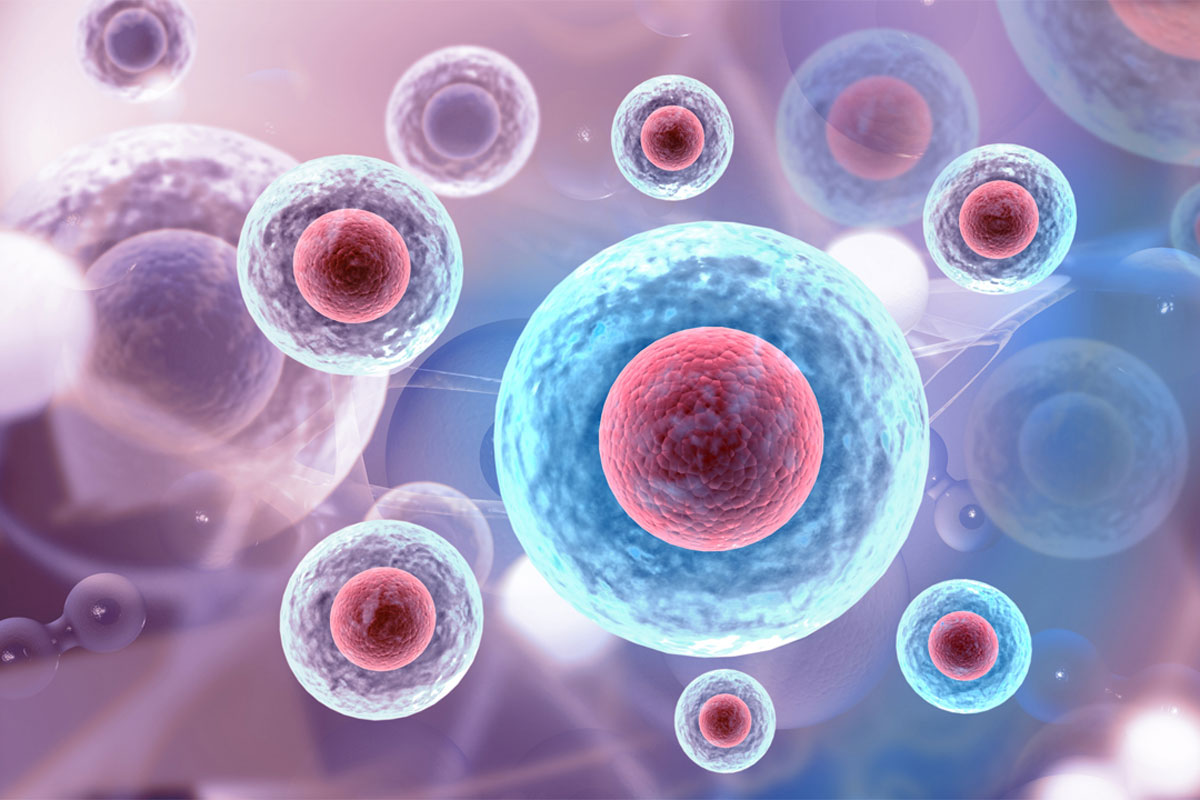
Finding order in the inner chaos of our cells (Links to an external site)
New technique wrangles evasive proteins to dissect the cause of diseases and design potential new therapeutics.

Proven childhood obesity treatment also works at pediatrician’s office (Links to an external site)
Family-based treatment helped nearly half of kids in clinical trial reach healthier weight.
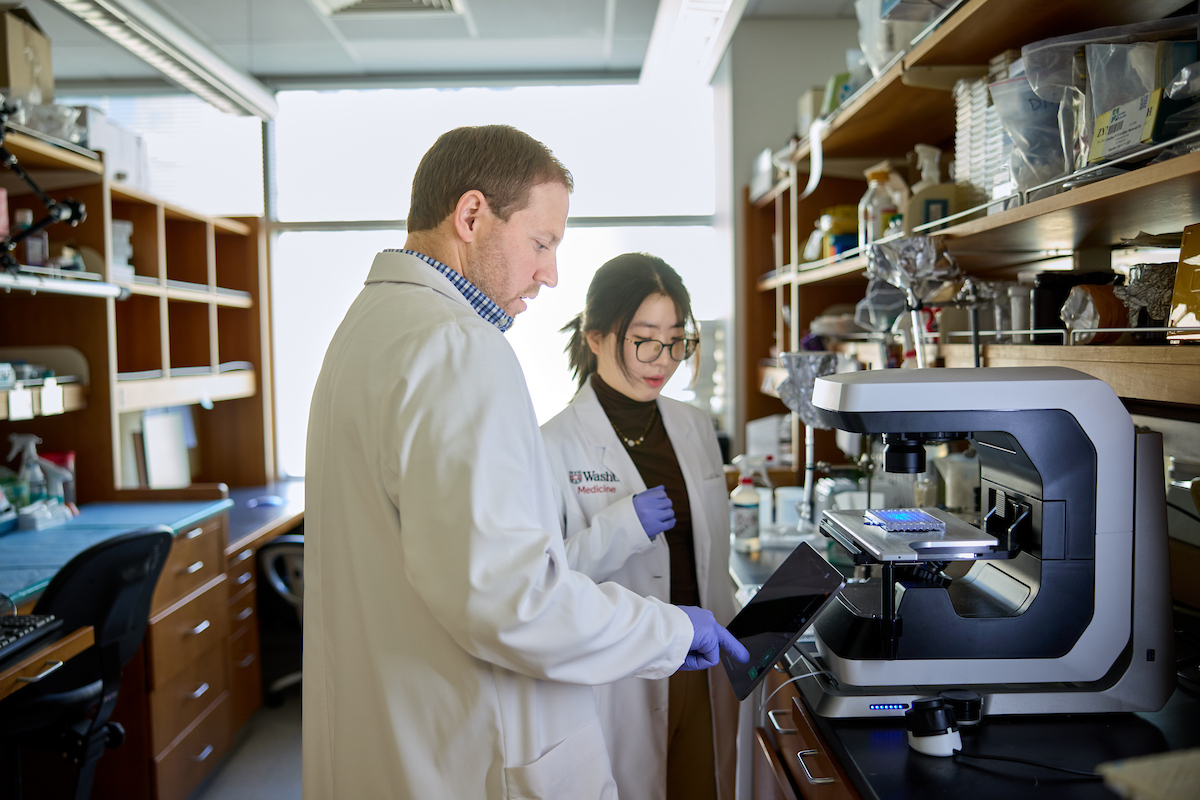
WashU announces new academic-industry collaboration with Bristol Myers Squibb (Links to an external site)
Multiyear program will provide hands-on training at the pharmaceutical company, fund translational neuroscience research at WashU.
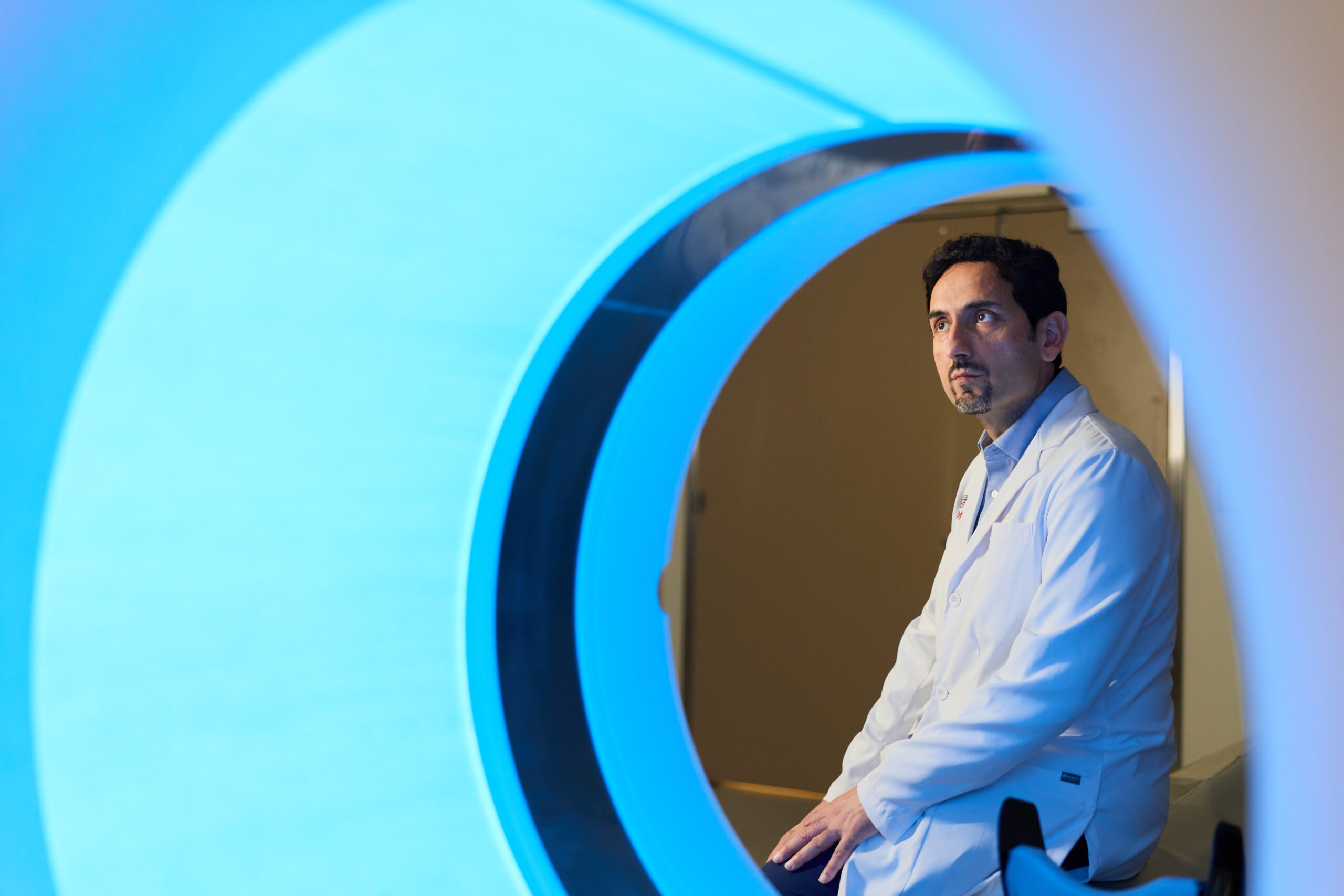
Tool to predict brain swelling earns FDA Breakthrough Device designation (Links to an external site)
First device to identify dangerous stroke complication developed at WashU Medicine.
Research Wire
Promising target identified against chronic blood cancer
Stephen Oh, MD, PhD, and colleagues have identified a potential approach to treat a group of blood cancers known as myeloproliferative neoplasms by taming inflammation.
Brain activity varies with age in children with autistic traits
Carolyn Lasch, PhD, and Chad Sylvester, MD, PhD, find that children with more autistic traits favored a brain activity pattern tied to sight and movement before age 9 and one tied to social and emotional processing after 14.
Study reveals how ketamine interacts with opioid receptors
Tao Che, PhD, and colleagues at the Center for Clinical Pharmacology uncover new insights that help explain ketamine’s rapid benefits and its risks.
Breast cancers recruit bone cells to increase tumor growth
Orthopedics professor Roberta Faccio, PhD, and colleagues found that cells normally involved in bone formation play a role in supporting tumor growth.
Mammography use has dropped among some groups, study finds
Mammography screening rates, steady overall, have fallen among younger white women, uninsured women and current smokers, research led by Adetunji Toriola, MD, PhD, revealed.