Moving medicine and science forward
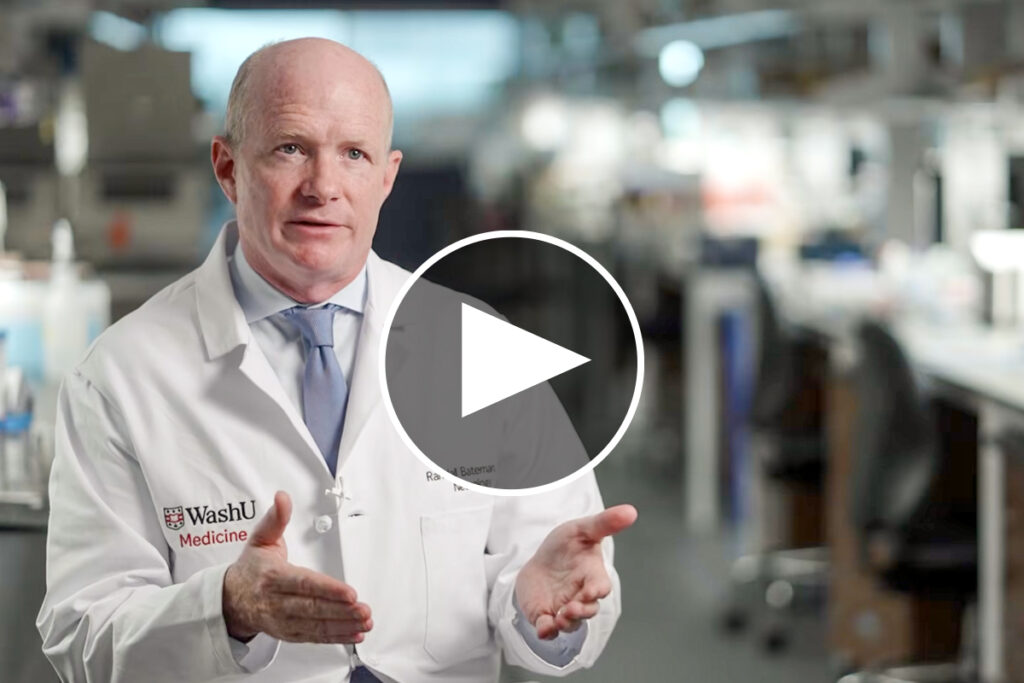
In our lifetime: the race to outpace Alzheimer’s
The “In Our Lifetime” video series from WashU Medicine explores Alzheimer’s research and the hope it provides to millions around the world through the eyes of four participants.
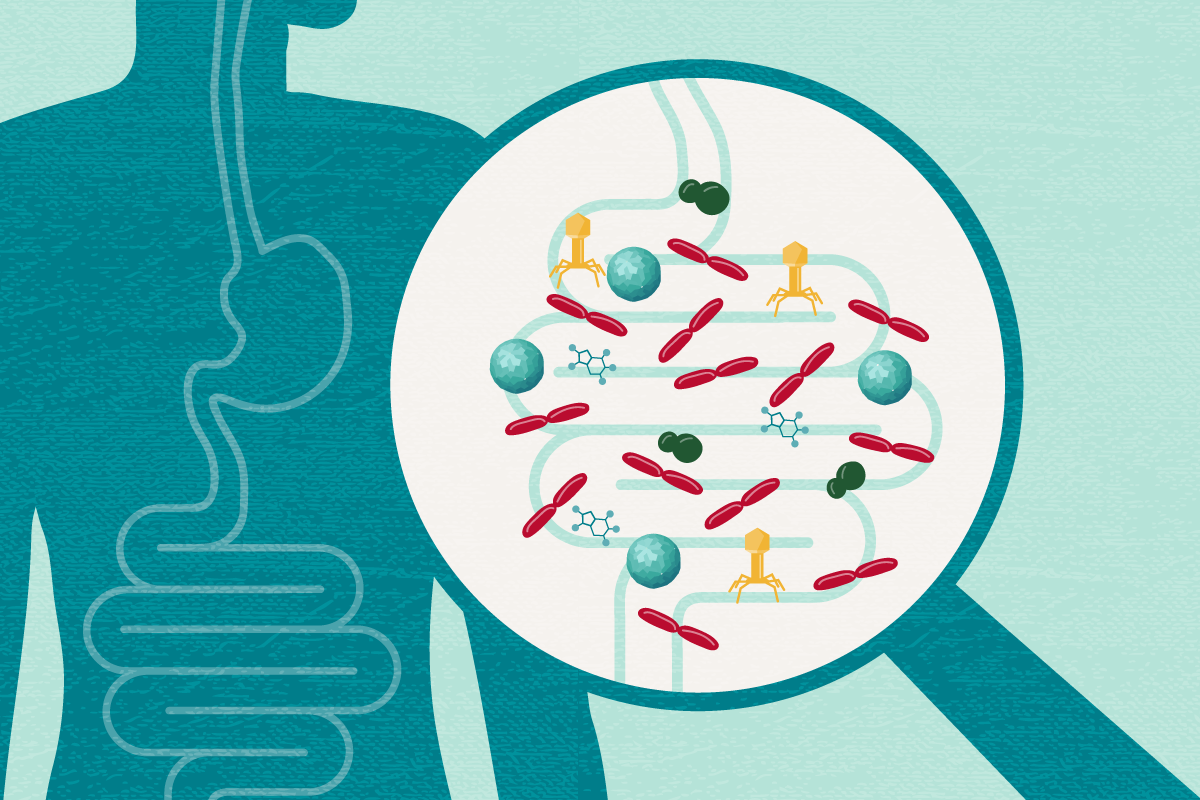
40-year mystery solved: Common gut virus infects bacteria, not human cells (Links to an external site)
Study redefines picobirnaviruses as only the third known group of bacteria-infecting RNA viruses.
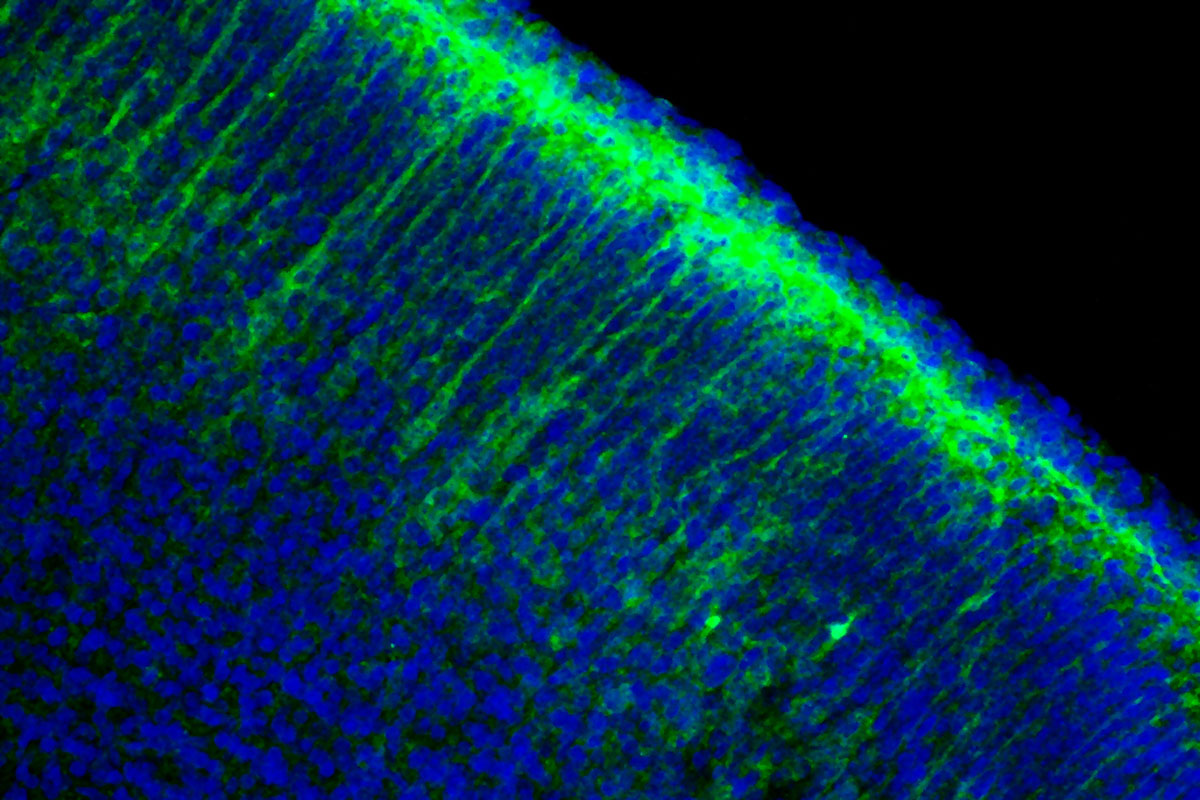
Build-up of common enzyme stunts brain growth (Links to an external site)
Mouse study of Angelman syndrome identifies potential opportunity to restore healthy neurodevelopment.
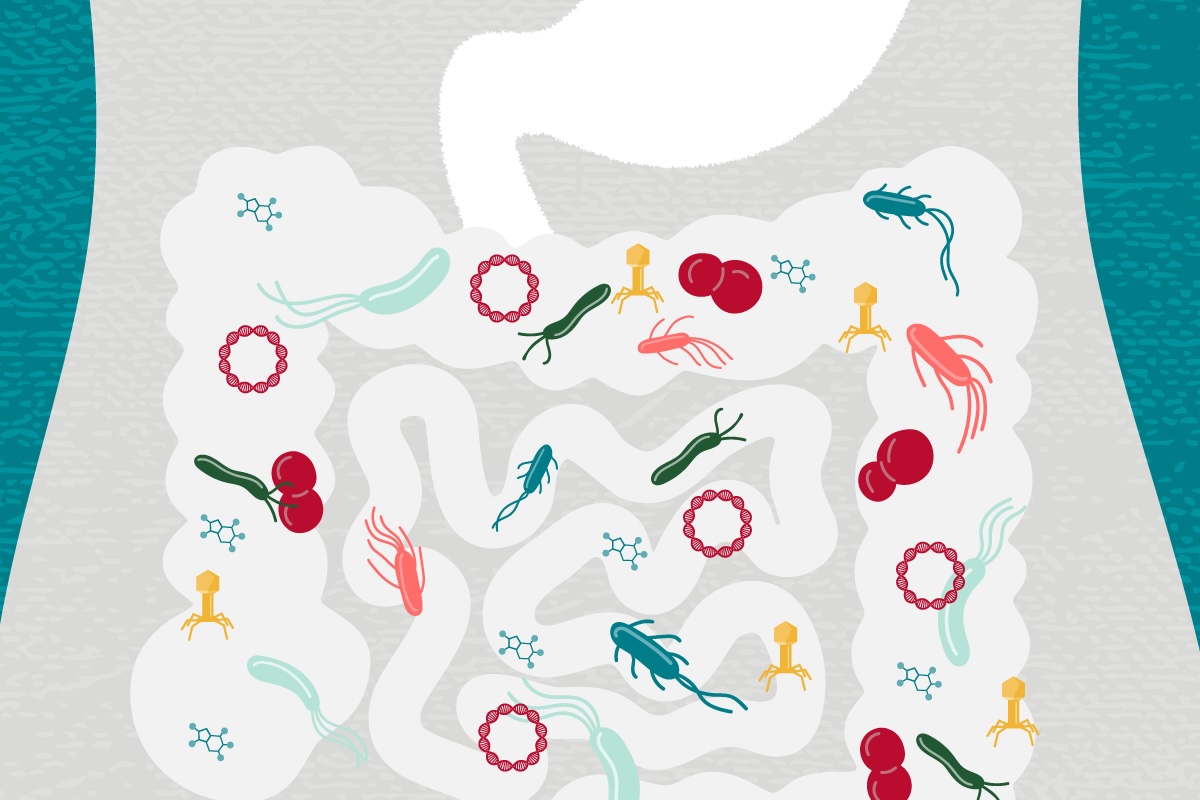
$11 million grant to investigate why resident microbes go rogue (Links to an external site)
WashU Medicine collaboration aims to uncover how gut bacteria turn dangerous.
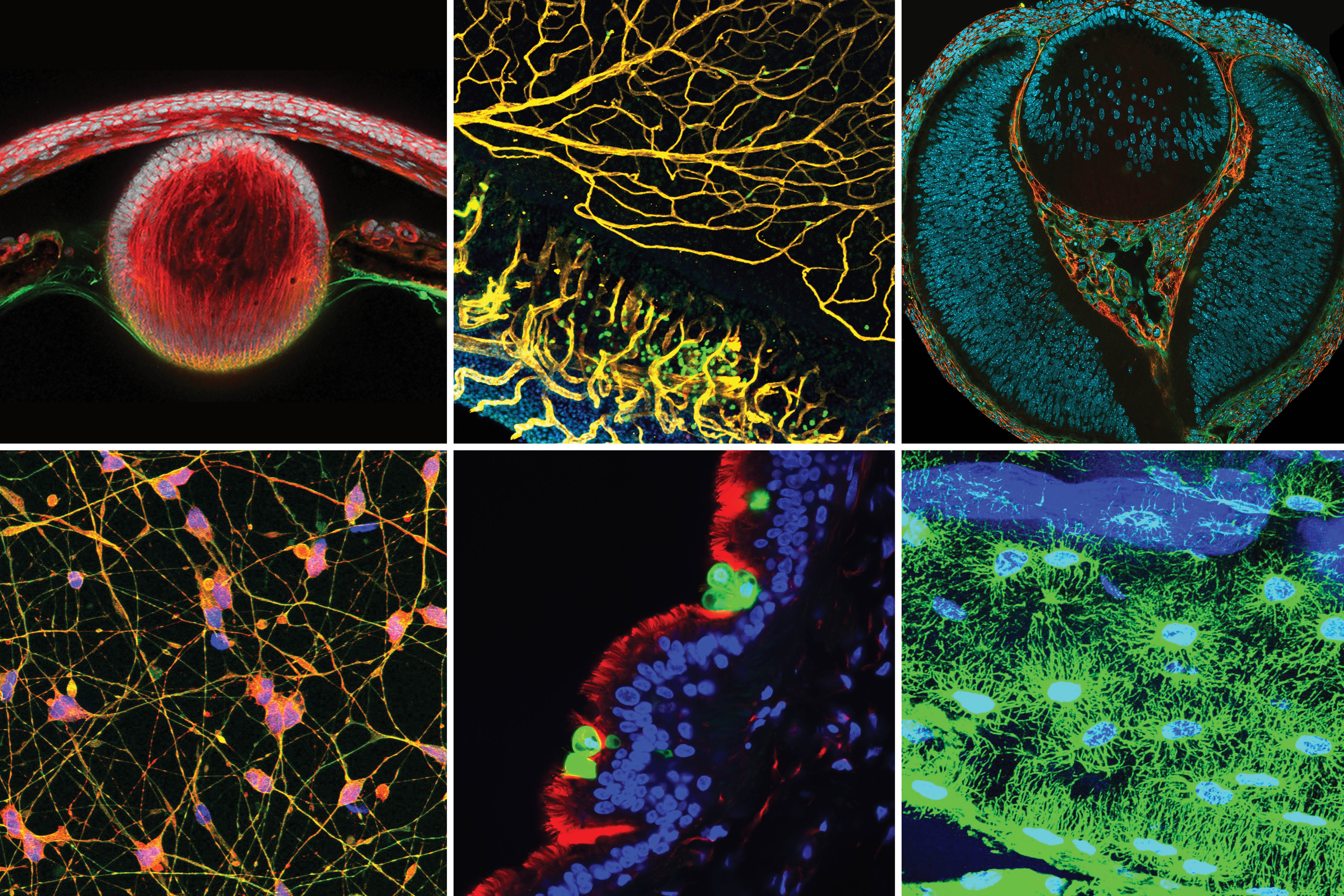
In Focus: The artistry of science
Images from WashU Medicine researchers live at the intersection of beauty and knowledge.

High-risk pregnancy care reaches families closer to home
WashU Medicine specialists collaborate with rural obstetricians to reduce patients’ travel time and improve access to high-risk pregnancy care.
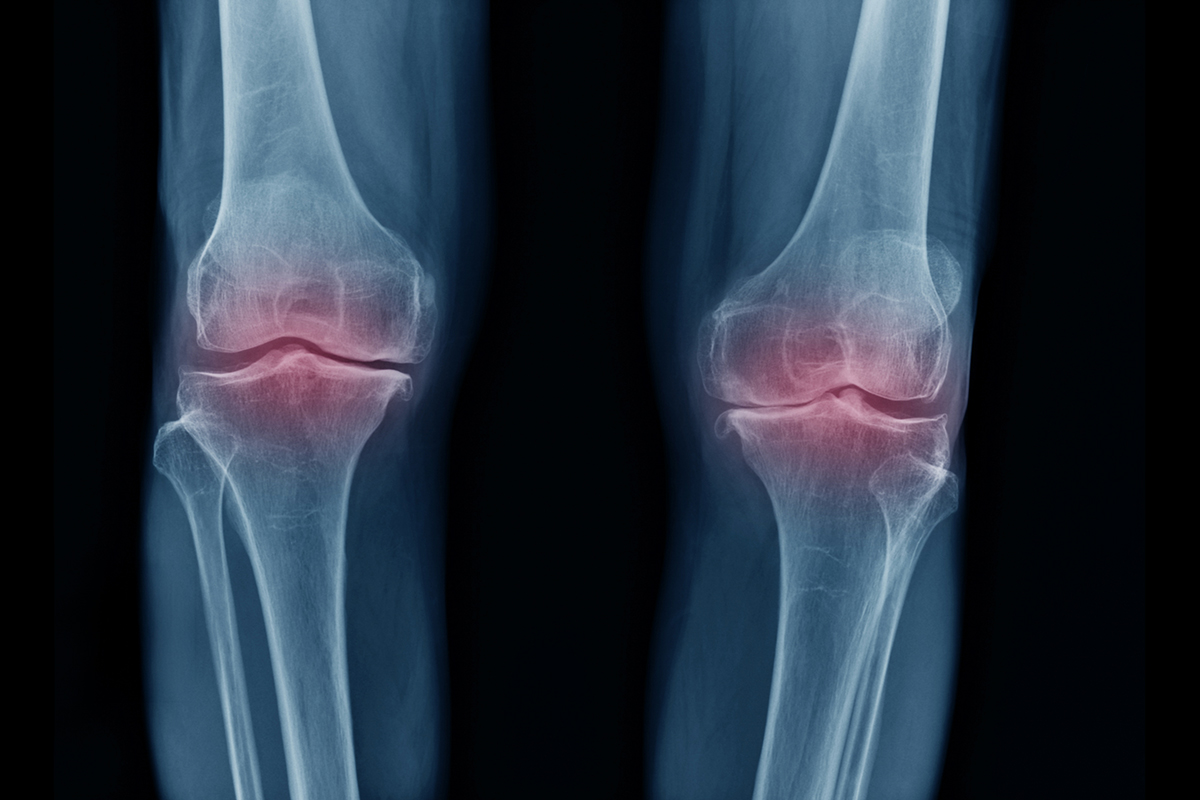
Osteoarthritis therapy study advances with $17 million from ARPA-H (Links to an external site)
Funding will support collaboration to move single-injection treatment to reverse joint damage into clinical trials.
Research Wire
Specialized circuit of cells marks an X on our mental maps
Neuroscience researchers led by Edward Han, PhD, have shown in mice that the brain has separate memory systems for recognizing places and tracking locations associated with rewards.
Radiology researchers each receive $3M grants to advance radiochemistry
Yongjian Liu, PhD, and Patrícia Ribeiro Pereira, PhD, were awarded grants from the National Cancer Institute to advance novel uses of positron emission tomography (PET) in tracking and treating head, neck and breast cancers.
Brimble receives grant from National Bleeding Disorders Foundation
Mark Brimble, PhD, in Pediatrics was awarded $210,000 over three years to advance research on gene therapy for people with hemophilia.
GLP-1 drugs linked to lower cardiovascular risk in people with serious mental illness
Researchers in the Cardiovascular Division found that GLP-1 medications including semaglutide and tirzepatide were linked with lower risks of heart attack, heart failure and death among adults with serious mental illness, type 2 diabetes and obesity.
HIV viral control is necessary but not sufficient for healthy aging
People with HIV show signs of faster aging than their peers without HIV, even when the virus is undetectable, according to a study led by neurology researchers Kalen Petersen, PhD, and Beau Ances, MD, PhD.