Cardiovascular problems are the leading cause of pregnancy-related death in the United States, with such deaths more than doubling between 1999 and 2022, according to the American College of Cardiology. Rising rates of high blood pressure, diabetes and obesity are driving the increasing number of high-risk pregnancies.
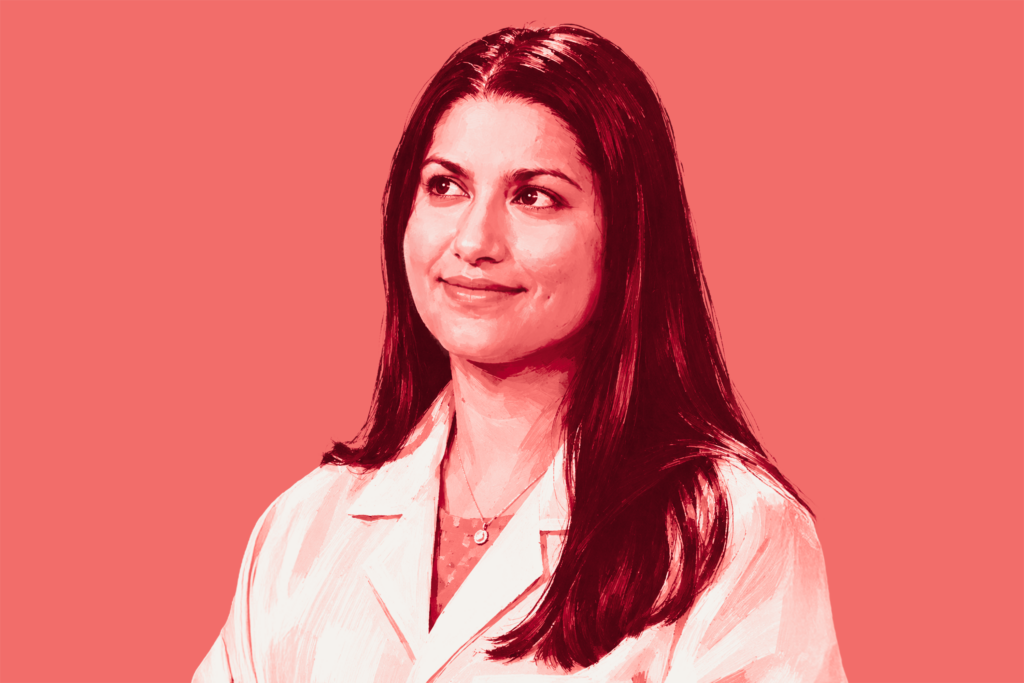
Amanda K. Verma, MD, an advanced heart failure cardiologist who directs the cardio-obstetrics program at WashU Medicine, annually treats about 200 pregnant women in her clinical practice along with a multidisciplinary team composed of physician specialists from different fields. Hospitals from across the region often refer their highest-risk cases to Verma. She also researches pregnancy-related conditions that can adversely affect the heart.
What is cardio-obstetrics, and who needs it?
It’s cardiac care before, during and after pregnancy. Pregnancy asks more of the heart, so it can reveal a problem that may have been there all along. About half of my pregnant patients see me because they have preexisting conditions, such as congenital heart disease, coronary artery disease or heart failure. The other half finds me because they have cardiac symptoms or have been diagnosed with a cardiac problem while pregnant.
How does your clinical work drive your research?
My questions come from my patients. For instance, in talking with them, I noticed many non-ob/gyn doctors don’t take an obstetric history, so I began asking my patients how many pregnancies they have had and whether they have had any complications. Women who have had preeclampsia, a pregnancy disorder that raises blood pressure and can cause organ damage, have about four times the risk of heart failure later in life as well as a higher risk of coronary disease and hypertension than women who do not.
We need to ask women these questions as part of routine care. I worked with a resident to review records of women with heart failure and found that only 5% to 10% had an obstetric history documented. This information is also missing from standardized assessment tools used throughout the medical community to measure a person’s cardiac risks.
What should pregnant women know about preeclampsia?
Preeclampsia usually appears late in pregnancy or in the weeks after delivery. Blood pressure increases and women may experience symptoms such as headache and swelling. Women at higher risk, including those who are older or have obesity, high blood pressure, diabetes, autoimmune disease or kidney disease, are advised to take 81 milligrams of aspirin daily, ideally starting between 12 and 16 weeks of pregnancy. But it’s important to talk with a doctor before starting an aspirin regimen. It isn’t right for everyone, including women with bleeding disorders.
An American College of Cardiology analysis found that Black women died from pregnancy-related heart conditions at about three times the rate of white women. Why?
Preeclampsia affects Black women disproportionately, and the complications are often severe. Much of the gap traces back to a lack of access to care long before pregnancy. Health problems can develop for years, and many women don’t know the warning signs. Pregnancy is a normal part of life, but conditions that make it dangerous for some women should not be.
What should women with preeclampsia do after the baby arrives?
Many women assume conditions such as preeclampsia are just a pregnancy problem. That’s not true. They require follow-up with physicians. No firm guidelines exist, but I check my patients’ blood pressure and cholesterol for years afterward. If cholesterol is elevated, we start with diet, hoping to avoid medication. And it’s always important to keep up with annual wellness exams. We can’t change what happened during pregnancy, but we can take preventive measures earlier in life, such as controlling cholesterol and blood pressure, to help reduce the risk of heart disease in the future.
Who do you work with as part of your specialty care team?
We’re closely connected with physicians in maternal-fetal medicine, obstetric anesthesia and cardiac surgery. Our nurses are a vital part of our team — often picking up clues about symptoms from patients and notifying us before we even have a chance to see them in the office.
Once a month, our team meets to review every patient with significant cardiac disease who is pregnant. A shared spreadsheet tracks each patient’s risks, follow-ups and delivery plans. We’re also enrolling patients in the Heart Outcomes in Pregnancy Expectations registry — a national research initiative studying whether an integrated team improves patient outcomes.
Which symptoms should pregnant women not ignore?
Any symptom that is concerning to a pregnant woman should be carefully evaluated. Symptoms like shortness of breath and swelling are common symptoms of pregnancy, but in someone with pre-existing cardiovascular disease, they can be the first signs of deterioration of their condition.
Verma is also a transplant cardiologist, associate professor of medicine in the WashU Medicine Cardiovascular Division and director of its Center for Women’s Heart Disease. She treats patients at Barnes-Jewish Hospital and at WashU Medicine clinics.