
At its core, WashU Medicine is a community that collaborates across every role and discipline to advance human health through exceptional care, education and research.
Like other academic medical institutions, the complexity of work, diversity of ideas and environment of high achievement can lead to uncertainty or conflict. When challenging situations arise, the WashU Medicine Office of the Ombuds offers confidential, independent, impartial and informal counsel to help address concerns before they escalate.
While the WashU Medicine Office of the Ombuds has served faculty since 2015, it expanded in 2025 after survey responses expressed a desire to have a person that learners could turn to who knew the campus community and the environment. An external organizational Ombuds service, MWI, provides resources for WashU Medicine staff members.
“In response to data gathered by the Executive Faculty Taskforce on Climate & Culture, we made significant expansions to the scope of our WashU Medicine Ombuds office,” said Renée Shellhaas, MD, the David T. Blasingame Professor of Neurology and senior associate dean for faculty promotions and career development at WashU Medicine. “The Ombuds are now available to serve our learners — graduate students, postdocs, medical students, residents and fellows — in addition to medical school faculty.”
Did you know? “Ombuds” comes from the Swedish term “Ombudsman,” a government official who investigates citizen complaints against government officials. The term has expanded in the U.S. to include people who promote communication, resolve disputes and foster a more inclusive climate.
WashU Medicine faculty, postdocs, residents, fellows and students (including MD, Masters, and PhD programs) are supported by two leaders who serve as Ombuds:
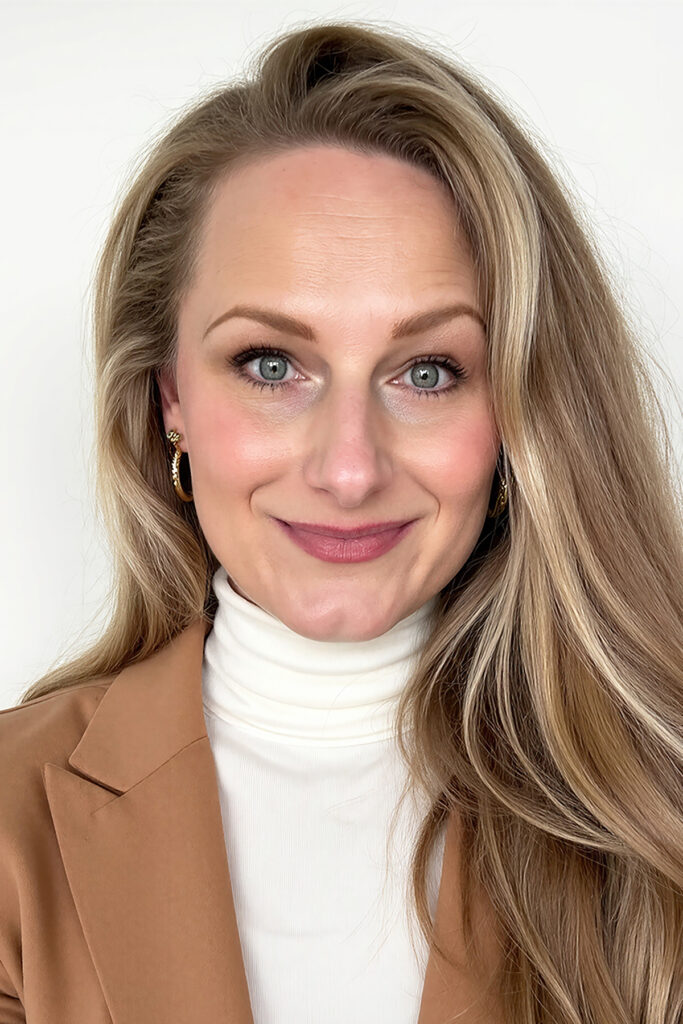
Alison Antes, PhD, is an associate professor in the WashU Bioethics Research Center and in the Division of General Internal Medicine in the John T. Milliken Department of Medicine. As an industrial-organizational psychologist, Antes has spent the last decade at WashU Medicine researching responsible leadership in science and decision-making processes, all while teaching, training and coaching researchers across various career stages. She is also the director of the Master of Science in Clinical Investigation degree program.
Confidentially contact Antes at alisonantes.ombuds@gmail.com
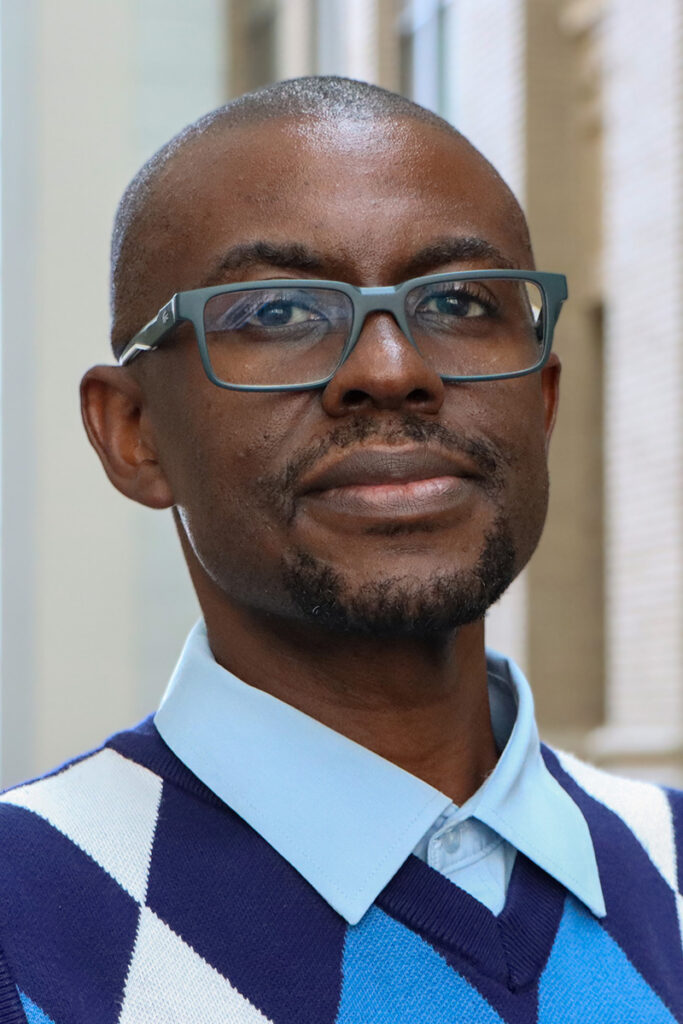
Mwiza Ushe, MD, is a professor of neurology in the adult movement disorders section. He is the former director of WashU Medicine’s Deep Brain Stimulation Program and leads the Movement Disorders Clinic. As vice chair of Culture and Wellness in the Department of Neurology, he works to foster an inclusive environment. His vast experience at WashU Medicine — ranging from his time as a medical student and researcher all the way to his current senior faculty role — makes him relatable to many.
Confidentially contact Ushe at mwizaushe.ombuds@gmail.com.
“Drs. Antes and Ushe are highly trained in their roles and are available to provide assistance in the informal resolution of work-related conflicts,” Shellhaas said.
“Whether you’re a student trying to navigate a difficult decision or a faculty member who feels sidelined, we’re here to help,” Antes said. “We can listen, help you make sense of what you’re experiencing, explore your options and coach you through next steps.”
Antes and Ushe meet with faculty and learners and evaluate available guidance and potential resolutions. Each are allotted 30% of their work time to fulfill their Ombuds roles.
“One of the reasons I was interested in this role is that WashU Medicine takes it seriously,” said Ushe. “I think there are lots of places where a job like this only gets 10% of someone’s time. That’s just not enough to actually meet with people and do everything else that goes into providing an effective Ombuds office.”
Assuaging concerns
While the WashU Medicine Ombuds are equipped to support colleagues with a wide variety of needs, the concerns they handle generally fall into three themes: communication, aspirations and expectations.
Communication
Learners and faculty members might seek ways to generate more effective communication with their supervisors to improve appreciation, validation or guidance. Meanwhile, supervisors are often seeking ways to provide more positive and respectful interactions with those who report to them.
“Sometimes I assist people in writing down what they’re struggling with — to give them a platform to speak with their supervisor in a way that they feel more comfortable and prepared,” Ushe said.
Aspirations
Many learners and early-career faculty members find themselves juggling multiple life-altering decisions. They wonder if they’re pursuing the right career path or if they’re on the right track. Others want a listening ear as they process the many choices that occupy their thoughts.
“When you give them words of validation, you can feel their entire energy change,” Antes said. “I think that’s the value of coaching. Yes, we’re here to help you address a particular problem, but maybe you can carry that guidance or tool with you into your next challenge.”
Expectations
At times, visitors come to the Ombuds seeking guidance on advancing in their careers, such as navigating promotion processes or receiving appropriate recognition for their contributions. They may also look for advice on how to achieve their career goals more effectively.
“I find it gratifying when I can find a resource that allows them to take that deep breath and go, ‘Oh, there’s actually an answer to this problem that looked insurmountable,’” Ushe said.
Timing is key
Although the Ombuds can help address issues at any point, they agree that the sooner someone seeks help, the easier their situation may be to resolve.
“We are really good at telling that voice in the back of our mind to be quiet — to ignore our intuition because we’re busy or we don’t have time,” Antes said. “But sometimes we need to listen to that voice and take a moment to think about what’s bothering us. Ideally, that’s when you come see us — before a concern becomes so big that it’s more difficult to address.”

While the Office of the Ombuds intentionally sits outside the university’s administrative structure, one of its roles involves tracking trends. On an annual basis, they present WashU Medicine leadership with a report of the de-identified themes from concerns they encounter. The trends and suggestions the Ombuds team identifies help drive change across campus.
Learn more about the WashU Medicine Office of the Ombuds.