Neuroscience researchers led by Edward Han, PhD, have shown in mice that the brain has separate memory systems for recognizing places and tracking locations associated with rewards.
Specialized circuit of cells marks an X on our mental maps

Neuroscience researchers led by Edward Han, PhD, have shown in mice that the brain has separate memory systems for recognizing places and tracking locations associated with rewards.
A future where Alzheimer’s can be prevented isn’t just possible – it’s probable.
For over 50 years, WashU Medicine has led Alzheimer’s research on a global scale.

Image gallery depicts several community activities from the Medical Campus this fall.
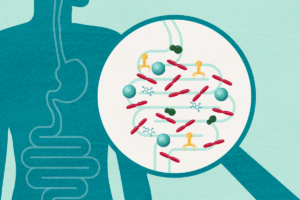
Study redefines picobirnaviruses as only the third known group of bacteria-infecting RNA viruses.
Mark Brimble, PhD, in Pediatrics was awarded $210,000 over three years to advance research on gene therapy for people with hemophilia.
Researchers in the Cardiovascular Division found that GLP-1 medications including semaglutide and tirzepatide were linked with lower risks of heart attack, heart failure and death among adults with serious mental illness, type 2 diabetes and obesity.
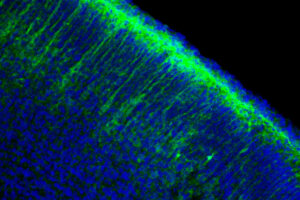
Mouse study of Angelman syndrome identifies potential opportunity to restore healthy neurodevelopment.
Joseph D. Finney, MD, Jeff Siegler, MD and Fahd A. Ahmad, MD found a feedback tool helps paramedics deliver better manual breathing support in a study that aims to help children who aren’t breathing.
Researchers led by Nardhy Gomez-Lopez, PhD, have helped identify the drivers of chronic placental inflammation, which can lead to preterm birth and fetal death.

Physician-scientist lauded for research on liver and infectious diseases