Neuroscience researchers led by Edward Han, PhD, have shown in mice that the brain has separate memory systems for recognizing places and tracking locations associated with rewards.
Specialized circuit of cells marks an X on our mental maps
Neuroscience researchers led by Edward Han, PhD, have shown in mice that the brain has separate memory systems for recognizing places and tracking locations associated with rewards.
The Society for Neuroscience, the world’s largest neuroscience organization, honors WashU Medicine neuroscientist David Van Essen, PhD, with prestigious Gerard Prize for lifetime contributions to understanding the brain.
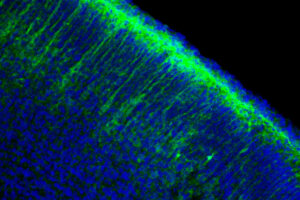
Mouse study of Angelman syndrome identifies potential opportunity to restore healthy neurodevelopment.
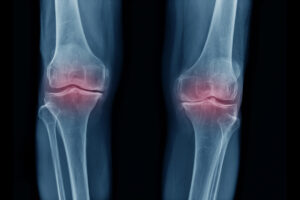
Funding will support collaboration to move single-injection treatment to reverse joint damage into clinical trials.
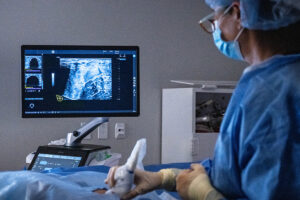
This WashU Medicine radiologist is on a mission to expand a minimally invasive procedure as a safe option for patients.
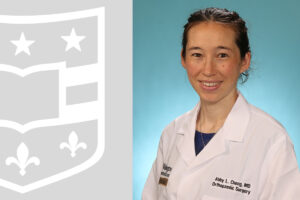
Clinician-scientist emphasizes lifestyle and mental health factors in orthopedic and rehabilitation medicine.
A research team led by Sidharth Puram, MD, identified a previously unknown population of aggressive tumor cells in difficult-to-treat head and neck cancers.
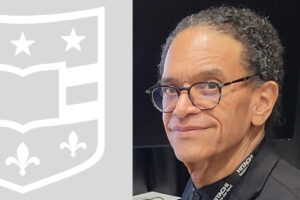
Professor of cell biology and physiology recognized for exceptional research and mentorship in imaging science.
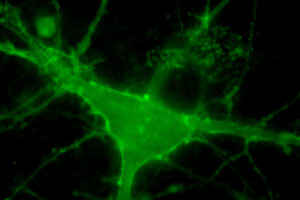
Vitaly Klyachko, PhD, in Cell Biology & Physiology has shown that brain cells called astrocytes modulate cholesterol in the brain to facilitate communication between neurons.
Study finds in mice that immune cells that drive neurodegeneration originate in body’s lymph nodes.