As the American Academy of Pediatrics, the American Academy of Child and Adolescent Psychiatry, and other groups continue to address an ongoing and unprecedented mental health crisis in young people, healthcare teams, parents and educators are looking to better understand what is driving nearly 60% of teenage girls and 30% of teenage boys to report feeling persistently sad or hopeless, according to the Centers for Disease Control and Prevention. Such emotions have led to suicide ranking as the second leading cause of death for people ages 10 to 14.
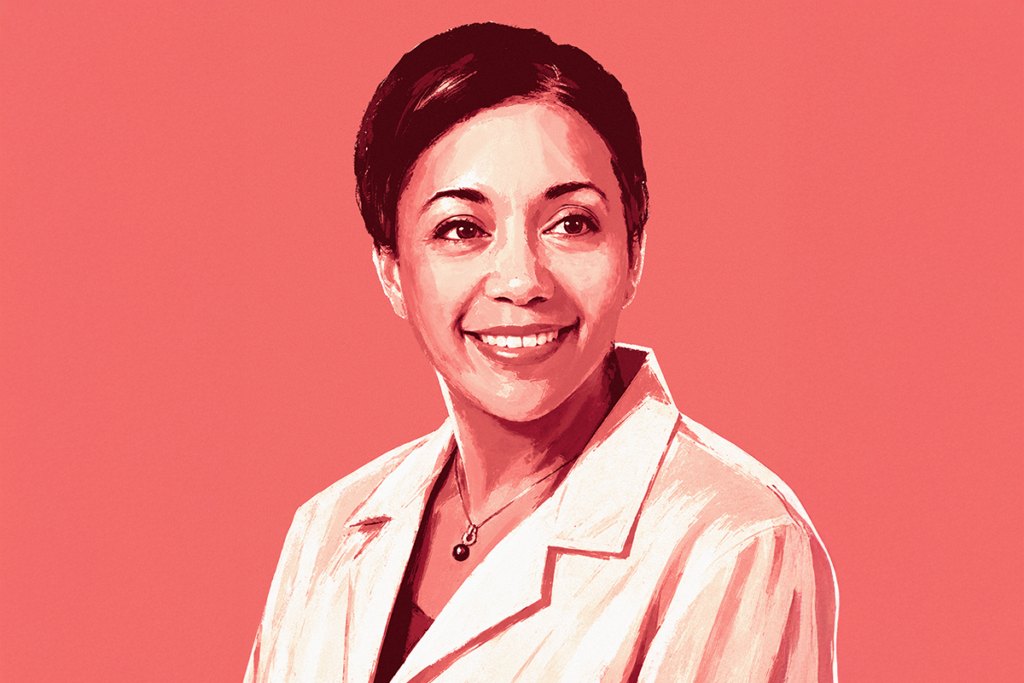
To address the urgent needs of our pediatric community, Cynthia E. Rogers, MD, director of the Division of Child & Adolescent Psychiatry at WashU Medicine, is leading research through the Healthy Brain and Child Development Study, a national consortium spearheading the largest neuroimaging longitudinal study that follows families from pregnancy to early childhood. The project will create an expansive data resource for scientists to improve health outcomes by analyzing how social, emotional, environmental and biological development — as well as substance-related exposures — can affect brain development and mental health in young people.
Rates of depression and anxiety among children and adolescents have risen sharply over the past decade. What do you see as the main driver of this trend?
No single cause is responsible for rising depression rates in children and adolescents. The trend began before the pandemic, though isolation likely made it worse. Social media, the stress from world events and other factors all contribute. Social media is often blamed, but it is not the sole culprit. For some children and teens, social media can provide connection and support. For others, social media can be harmful, especially if it leads to loneliness, bullying or exposure to unhealthy content.
Your research focuses on how early experiences shape brain development. What are we learning about the earliest roots of mental health challenges and how we can approach prevention and treatment?
We’re learning that the roots of mental health challenges can begin before birth, when factors such as stress, poverty, environmental pollution and lack of support during pregnancy can shape the developing brain. That makes early prevention essential, especially by supporting parents and caregivers because a young child’s development is closely connected to and influenced by the well-being of the adults who care for them.
We’re also seeing that significant mental health symptoms can emerge early in childhood, with depression and anxiety sometimes appearing during the preschool years, a discovery pioneered by Joan Luby. She is the Samuel and Mae S. Ludwig Professor of Psychiatry at WashU Medicine and director of its Early Emotional Development Program. Anxiety often appears as extreme shyness or fear of new experiences. The good news is that outcomes are not fixed: stable relationships, sleep, nutrition, physical activity, supportive schools and caring adults can all strengthen resilience.
How can parents tell the difference between normal childhood stress and signs that a child may need professional support?
Parents, guardians and caregivers should pay attention to whether the child is showing their usual range of emotions, such as laughing and engaging with others. Normal stress is usually limited to a few days or even a week or so, but generally if those feelings prove consistent and persist beyond two weeks, it is a good idea to seek professional help. Another warning sign occurs when the intensity of a child’s emotions interferes with their daily life, for example, when a child stops doing things that used to bring them joy. Loss of interest in friends, activities or routines is a key sign, as is isolating in a way that is not typical for them.
What is the collaboration between WashU Medicine, St. Louis Children’s Hospital and KVC Health Systems, and how will it help kids and families facing mental health challenges?
Our physicians and healthcare teams at St. Louis Children’s Hospital have partnered with KVC Health Systems to open a new mental health hospital and intensive outpatient center in Webster Groves, Missouri, in late 2026. The new facility will give children and teens more places to get care, including inpatient treatment, intensive outpatient care, partial hospitalization and residential treatment. For families, that means getting the right level of support sooner and having more options when a child needs help. It’s an important step toward expanding mental health care for young people in St. Louis and across the region.
The youth mental health crisis is bigger than any one organization can solve alone. What unique role should academic medical centers play, and where can institutions like WashU Medicine make the greatest impact?
Academic medical centers like ours have an important role in developing and evaluating new approaches to care, training the next generation of clinicians and learning more about the brain and how it relates to mental health conditions. The real value comes when what we learn in research can quickly inform patient care, and when what we see in clinics helps shape new research. That kind of connection between science and care can help families benefit from new discoveries sooner. WashU Medicine and BJC HealthCare have a strong track record of doing this work together.
Rogers is the Blanche F. Ittleson Professor of Psychiatry and Pediatrics. She is also executive vice chair of the Department of Psychiatry, psychiatrist-in-chief at St. Louis Children’s Hospital and a professor at the WashU Bursky School of Public Health.